Breast Repair After Mastectomy and 3D Nipple Painting Technique to Restore Natural Appearance and Self-Confidence

After the experience of mastectomy or reconstruction, the final appearance of the breast remains an essential part of self-confidence and the sense of femininity. Nipple and areola cosmetic surgery comes as a precise final step to complete the natural shape of the breast. Modern 3D cosmetic technology allows achieving realistic and precise results, whether in terms of color, size, or symmetry with the other natural breast.
Why does a woman need nipple cosmetic surgery after mastectomy or reconstruction?
- Restoring the natural appearance of the breast after mastectomy or reconstruction surgery.
- Enhancing self-confidence and psychological balance after a difficult medical experience.
- Achieving visual symmetry between the two breasts, especially if one is healthy.
- Improving the woman's quality of life and the final aesthetic appearance.
Traditional Nipple and Areola Cosmetic Options Before 3D Technology Included:
- Traditional Tattooing: Drawing the nipple and areola manually, but results are often less precise and may change over time.
- Small Implants (Nipple Grafts): Reconstructing the nipple using tissues, but they are more complex and require additional surgery.
- Mixed Methods: Combining tattooing and grafting for better results.
- All these methods face challenges in terms of color, size, and realism.
3D Technology in Nipple and Areola Cosmetic Surgery Relies On:
- Using 3D breast scanning to accurately determine the size and location of the nipple and areola.
- Drawing a digital model before the procedure to visualize the final result.
- Mixing multiple colors to produce a natural shade that exactly resembles the natural breast.
- Applying the technique gradually to achieve very realistic results, even when viewed from different angles.
Steps of Nipple and Areola Cosmetic Surgery Using 3D Technology:
- Medical Evaluation and Consultation: Determining nipple size, skin color, and required contrast degree with the natural breast.
- 3D Scanning: Drawing a precise digital model of the nipple and areola location on the new breast.
- Choosing and Mixing Colors: To obtain a natural color gradient that mimics your natural breast.
- Applying Nipple and Areola Drawing: Using a precise device that achieves a realistic 3D effect.
- Post-Session Follow-up: Evaluating healing, and adjusting colors if necessary after a few weeks.
Advantages of 3D Technology:
- Hyper-Realism: 3D color and details mimicking the natural breast.
- Full Customization: For each patient according to her body and skin color.
- Long-Lasting Results: Color lasts longer compared to traditional tattooing.
- Safe: Less surgical intervention, and does not require general anesthesia.
- Improving Psychological Confidence: The final appearance restores the woman's sense of femininity and psychological balance.
Risks and Precautions:
- Skin sensitivity or temporary inflammation after the session.
- Slight color change over time, which can be easily corrected.
- It is essential to choose a certified specialist in 3D technology to ensure result accuracy and avoid any distortion.
Frequently Asked Questions
Is 3D technology suitable for all women after breast reconstruction?
Is there pain during the session?
How long does recovery take?
Are results permanent?
Can the result be seen before the procedure?
Are there any long-term side effects?
Related topics
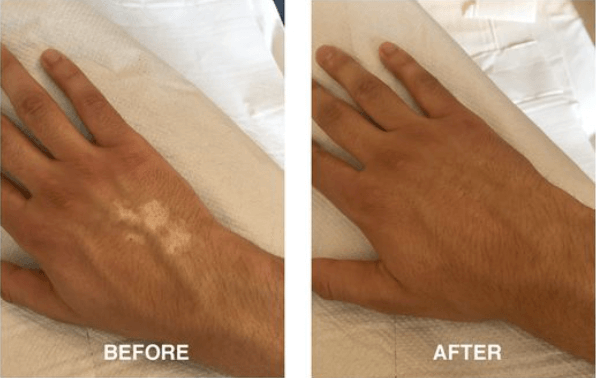
Camouflaging Inactive Vitiligo: Restoring Natural Skin Tone with Paramedical Beauty Techniques
Vitiligo is a skin condition that affects the balance of skin tone, where certain areas lose their natural pigment.
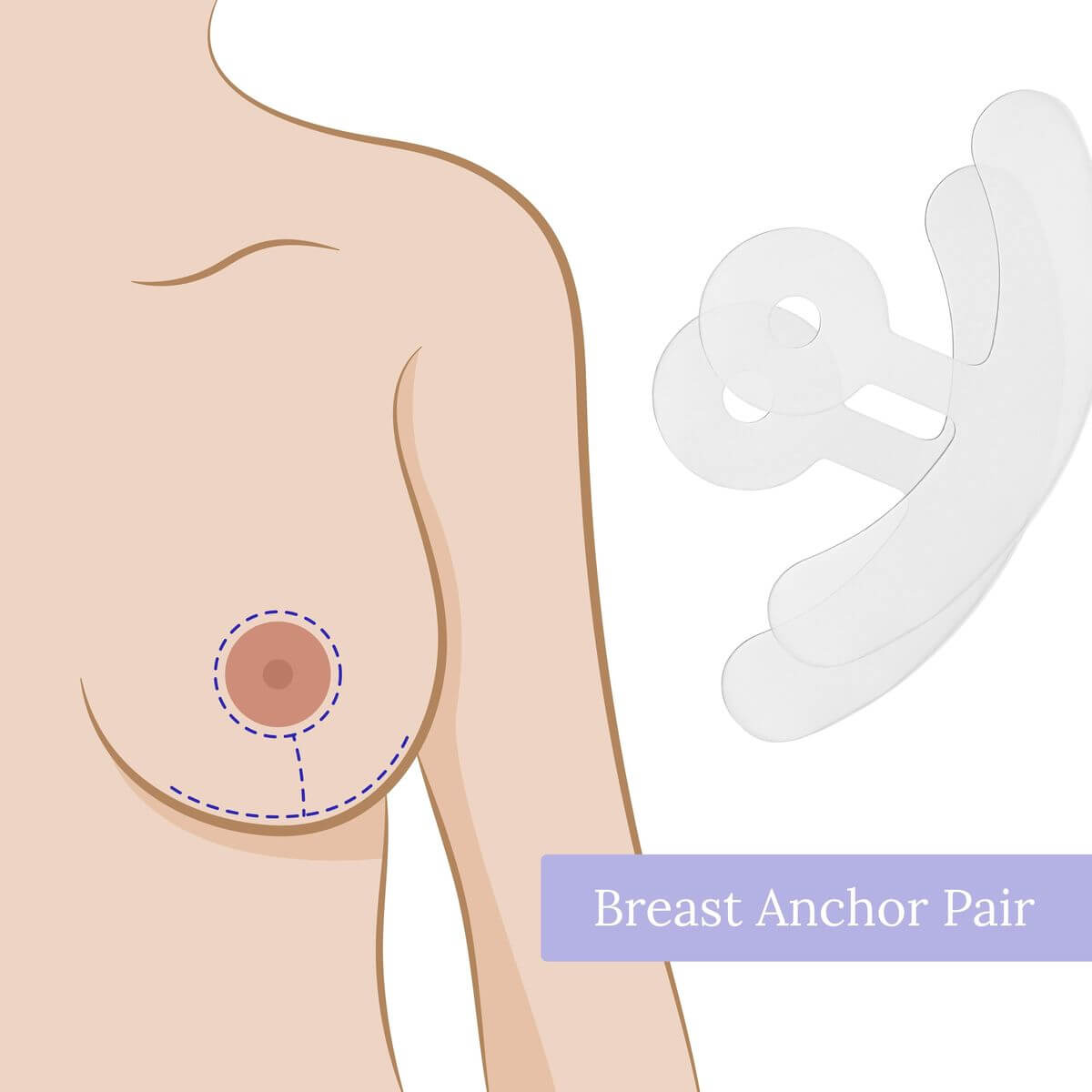
Breast Repair After Mastectomy and 3D Nipple Painting Technique to Restore Natural Appearance and Self-Confidence
After the experience of mastectomy or reconstruction, the final appearance of the breast remains an essential part of self-confidence and the sense of femininity.
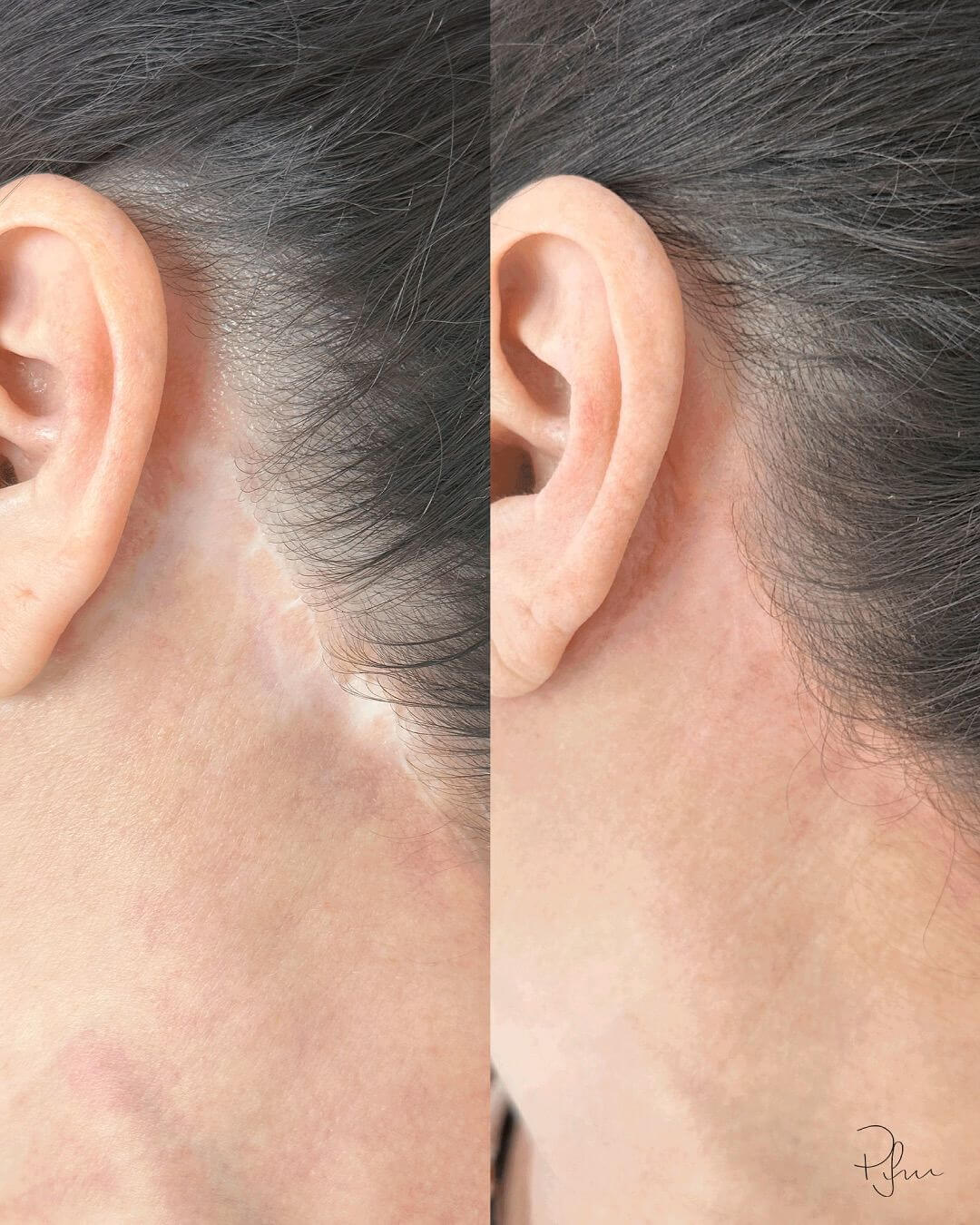
Scar Camouflage: Turning Healing into Art
A practical and artistic look at scar camouflage — from the science of color matching to the precision of micropigmentation. It helps readers understand realistic expectations and the beauty of subtle repair.
